
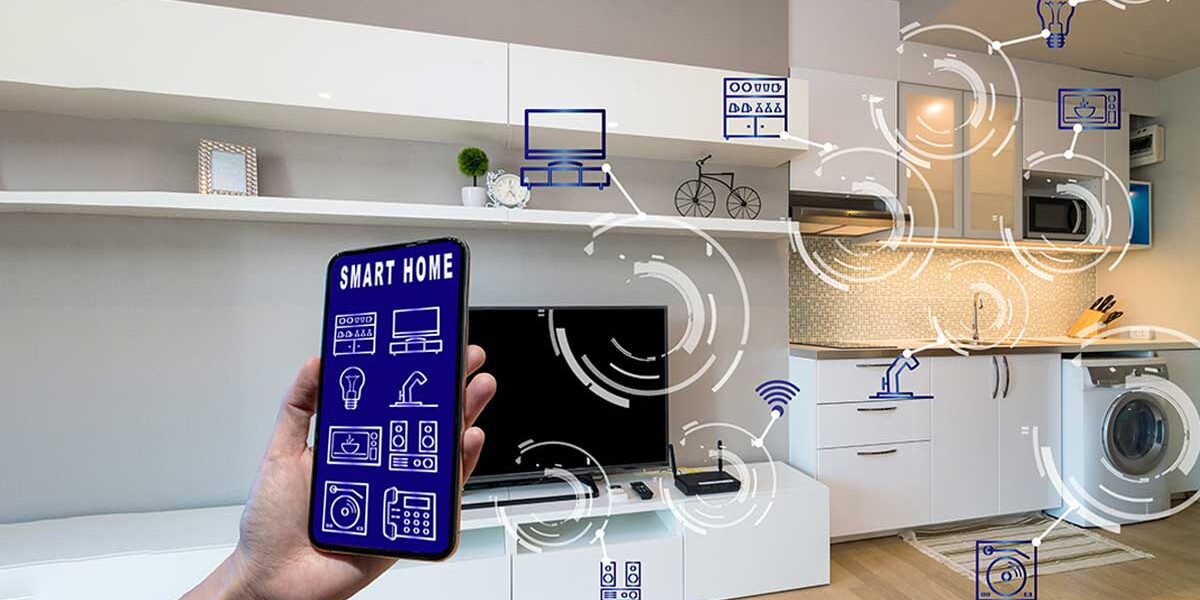
When we think about building a modern smart home, our attention naturally gravitates toward visible tech assets. We invest in voice-activated lighting grids, automated climate systems, wireless security hubs, and AI-powered kitchen appliances. These gadgets provide undeniable convenience and create a sleek, futuristic living environment.
However- true home automation experts know that a smart ecosystem is only as reliable as the physical infrastructure supporting it.
While tech enthusiasts focus heavily on data bandwidth and Wi-Fi coverage, a much more dangerous liability is often left completely unmonitored: the building’s hidden water and utility framework.
In high-temperature, fast-expanding regions like the Southwest, environmental stress causes subterranean lines to shift constantly. Without integrated smart telemetry, a silent pipe breach can compromise your property for months before making a visible sign on the surface.
[Soil Expansion / Heat Waves] ──> Subfloor Pipe Stress ──> Microscopic Crack ──> [Silent Foundation Degradation]
The Vulnerability of Invisible Subfloor Network
Most modern luxury properties are constructed using slab-on-grade concrete foundations. This means your core water distribution grid is permanently buried beneath inches of poured concrete and structural rebar.
When extreme desert summer heat dries out local clay soils, the ground beneath your foundation contracts and shifts unevenly. This ongoing movement places intense physical pressure on rigid copper or PEX lines. If these pipes are also fighting chemical pitting from harsh local water chemistry, a microscopic split is almost inevitable.
Because these failures occur deep underground, traditional visual tracking is useless. By the time a damp spot breaks through your premium hardwood flooring or a musty odor compromises your drywall, you are facing thousands of dollars in structural restoration expenses and severe concrete erosion.
Implementing Proactive Digital Defense Matrices
To protect your home from these hidden threats, modern smart home designs must expand beyond automated entertainment and include proactive property defense systems.
[Main Entry Line] ──> Automated Smart Shut-Off Valve ──> Micro-Pressure Sensors ──> [Full Property Safety Grid]Modern infrastructure architecture integrates electronic micro-pressure telemetry systems directly onto your property’s main water entry point. These IoT-enabled devices continuously measure internal fluid dynamics. If the system detects an anomalous pressure drop—even one as tiny as a few drops per minute—it instantly sends a push notification to your smartphone and shuts off the main water valve to prevent damage.
If you are managing an older estate or noticing sudden utility bill spikes, executing an advanced acoustic sensor audit is vital. Property owners looking to safeguard their foundations can review the technical diagnostic steps required for implementing smart leak detection slab leaks under concrete foundations to isolate hidden breaches early.
By partnering with certified automation and plumbing experts like Aqua Plumbing Services, you can connect heavy-duty flow-monitoring grids directly to your existing smart home network. Taking a high-tech approach to your home’s hidden systems lets you stop structural emergencies before they start, ensuring your property remains efficient, safe, and fully protected.
To analyze your property’s current hydraulic pressure profile or integrate automated shut-off grids, explore the advanced residential setups designed by the team at https://apsplumbingaz.com/ to build a highly intelligent, secure home.