
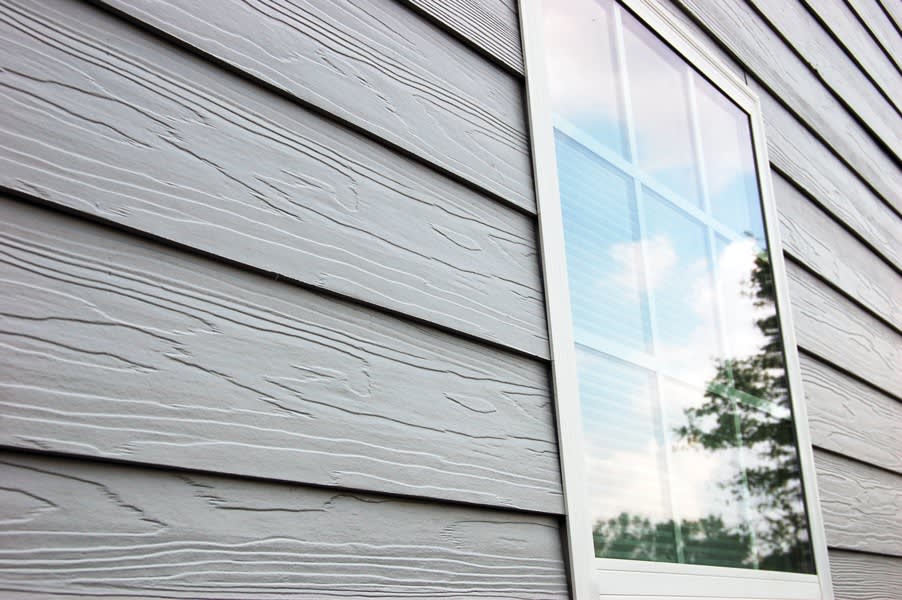
Fibre cement panels have emerged as a popular choice for homeowners seeking a balance between durability, aesthetic appeal, and environmental responsibility. Nichiha Premium Fiber Cement Panels are long-lasting materials and an environmentally sound option. In this article, we’ll look at the various advantages of fiber cement panels and why they’re a great choice for modern construction projects.
What are Fiber Cement Panels?
Fiber cement panels are composite materials made out of cement, sand, and cellulose fibers. These panels are intended to resemble the appearance of natural materials like wood, stucco, or stone while providing improved performance and durability. They are suitable for a wide range of external applications, including residential, commercial, and industrial buildings.
Key Advantages of Fiber Cement Exterior Facade Panels
- Durability and Longevity
One of the most significant advantages of fiber cement panels is their high durability. Unlike typical wood or vinyl siding, fiber cement is not prone to warping, cracking, or rotting. This makes it an excellent material for areas with harsh weather conditions, such as severe rain, strong winds, or high humidity. Furthermore, fiber cement panels are fire-resistant, adding safety to any structure.
- Minimal Maintenance
Fiber cement facade panels require less upkeep than conventional siding materials. Once installed, they do not require regular painting, sealing, or cleaning. A periodic wash with a garden hose should suffice to keep the facade appearing clean and fresh. This low-maintenance feature makes fiber cement panels an economical long-term solution, saving time and money on repairs and maintenance.
- Adaptable Design Choices
Fiber cement panels are a flexible option for both modern and traditional architectural types due to their many design options. They allow builders to alter the building facade’s appearance because they are available in a variety of textures, finishes, and colors. Fiber cement may produce the desired aesthetic without the disadvantages of natural materials, whether you want the appearance of rustic stone, sleek modern panels, or real wood.
- Efficiency of Energy Use
Fiber cement panels offer a strong defense against moisture, heat, and cold, which can increase a building’s energy efficiency. These panels lessen the need for heating and cooling systems by helping to maintain a constant interior temperature when paired with adequate insulation. This helps create a more ecologically friendly building design in addition to lowering energy costs.
- Sustainability
Numerous fiber cement panels are completely recyclable and composed of sustainable materials. Compared to certain other siding materials like vinyl, the manufacturing method has a smaller environmental impact and frequently uses cellulose fibers from renewable sources. Selecting fiber cement for your external facade helps make the building process more environmentally friendly and sustainable.
- Affordable Approach
Fiber cement panels may cost more to install initially than certain conventional materials like wood or vinyl, but over time, their low maintenance requirements and long lifespan make them an affordable choice. Because of their long lifespan, the panels require fewer replacements and maintenance, giving property owners a high return on investment.
- Resistance to Pests
Fiber cement is resistant to termites, carpenter ants, and other pests, unlike wood. This pest resistance gives your building’s exterior an additional layer of defense, lowering the possibility of structural damage and the need for expensive repairs.
- Resistance to Fire
Because fiber cement panels don’t catch fire, they are a great option for structures in high-risk environments. Property owners can rest easy knowing that, in the event of a fire, their external facade won’t quickly catch fire or spread.
Fiber cement external façade panels are a flexible, long-lasting, and economical option for contemporary construction projects. These panels have a number of advantages, such as low maintenance, fire protection, and adjustable design options, whether you’re building a residential or commercial project.