
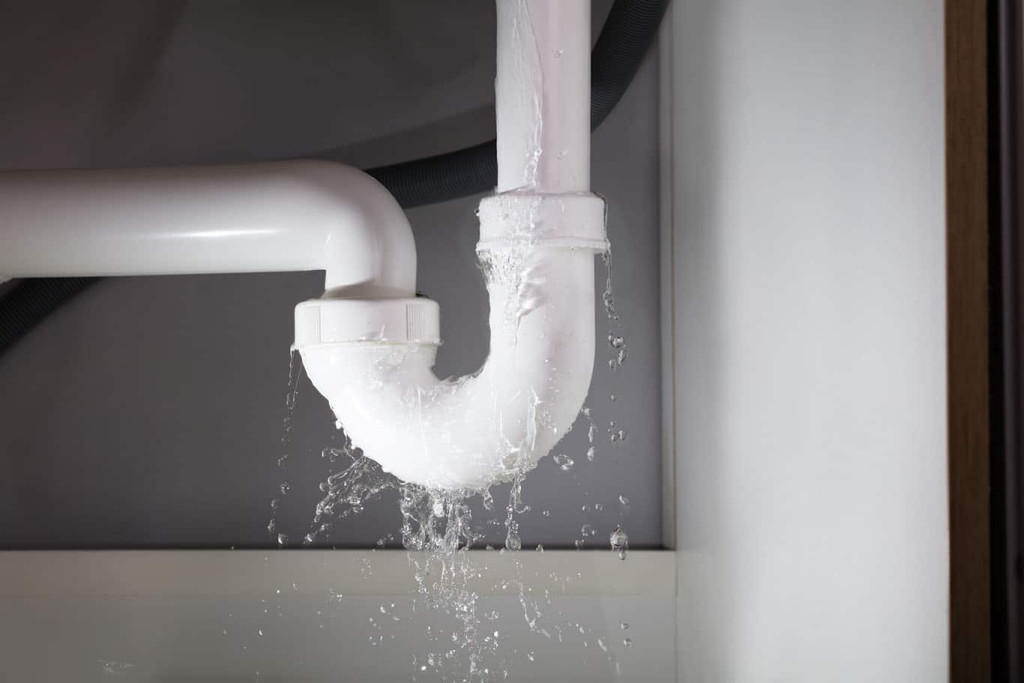
That sudden, unwelcome spike in your monthly water bill can be a source of immediate financial anxiety and deep frustration. While seasonal changes, such as increased lawn watering during summer, might account for a small increase, a significant, unexpected jump almost always signals a hidden problem within your home’s plumbers in lancaster system. Water, unlike electricity or gas, is rarely wasted in large, visible bursts. Instead, it is often lost silently and persistently through insidious leaks and inefficiencies that run twenty-four hours a day, seven days a week. Addressing an unexplained increase in your water bill is not just about saving money; it is a critical diagnostic step for preventing severe, expensive water damage to your home’s structure and foundation.
The first and most important step is to confirm the leak is indeed within your home’s system, not an administrative error. To do this, conduct a simple meter test. Ensure all water-using appliances and fixtures are off, and then check the reading on your main water meter. Wait 30 minutes without using any water and check the meter again. If the meter dial has moved, even slightly, water is flowing somewhere, and you have a leak that needs immediate attention. Once the leak is confirmed, the hunt begins, typically starting with the most common culprits.
The Silent Thief: Toilet Leaks
The toilet is, by far, the most frequent offender when it comes to unexplained water loss, often wasting hundreds of gallons a day without any obvious sign. The sound of running water might only last for a few seconds after a flush, masking the continuous drip into the bowl. These leaks are silent thieves because they often involve internal components that slowly fail over time.
The most common causes are a faulty flapper valve or an improperly set fill valve. The flapper, which seals the water in the tank, can become warped, stiff, or covered in mineral deposits, failing to create a perfect seal. Even a thin stream leaking past the flapper will result in massive water waste over a month. The fill valve, or ballcock assembly, can also fail to shut off completely when the tank is full, causing water to continuously trickle down the overflow tube. To check for this issue, drop a few drops of food coloring into the tank. Do not flush. If, after 15 to 20 minutes, the color appears in the toilet bowl, you have a leak that needs a simple, inexpensive repair.
Hidden Drips: Faucets and Showerheads
While a dripping faucet may seem minor, the cumulative waste is significant. A single faucet dripping at a rate of one drip per second can waste over 3,000 gallons of water per year. Even worse is a slow leak behind a wall or under a sink that goes unnoticed.
Faucets typically leak due to worn-out washers, O-rings, or cartridges within the handles. These components are designed to withstand constant friction and pressure, but they degrade over time. Similarly, showerheads can develop leaks, often at the connection point where the shower arm meets the wall, or internally if the flow restrictor or diverter valve is worn. If you notice persistent dampness around a fixture or hear a faint dripping sound when all water is off, these accessible areas are easy to inspect and repair, often requiring nothing more than a simple replacement kit.
Conclusion: Maintenance is the Best Defense
A high water bill should be treated as a distress signal from your home. It’s a clear indication that a mechanical failure in your plumbing system is costing you money and potentially damaging your property. The most effective way to prevent these costly spikes is to incorporate simple, proactive maintenance: checking your toilets every few months, fixing dripping faucets immediately, and having your water heater and main line pressure checked periodically. By decoding the leak and addressing these common plumbing problems promptly, you protect your financial stability, conserve precious resources, and ensure the long-term integrity of your home.